
When ADHD feels overwhelming, clarity matters.
Coaching helps you move forward with intention.
Mindset ADHD Coaching is a safe space for people to understand how ADHD affects daily life and decision-making. Coaching conversations are strengths-based, practical, and focused on finding approaches that work in everyday situations-not just in theory.
ADHD Coaching for Parents
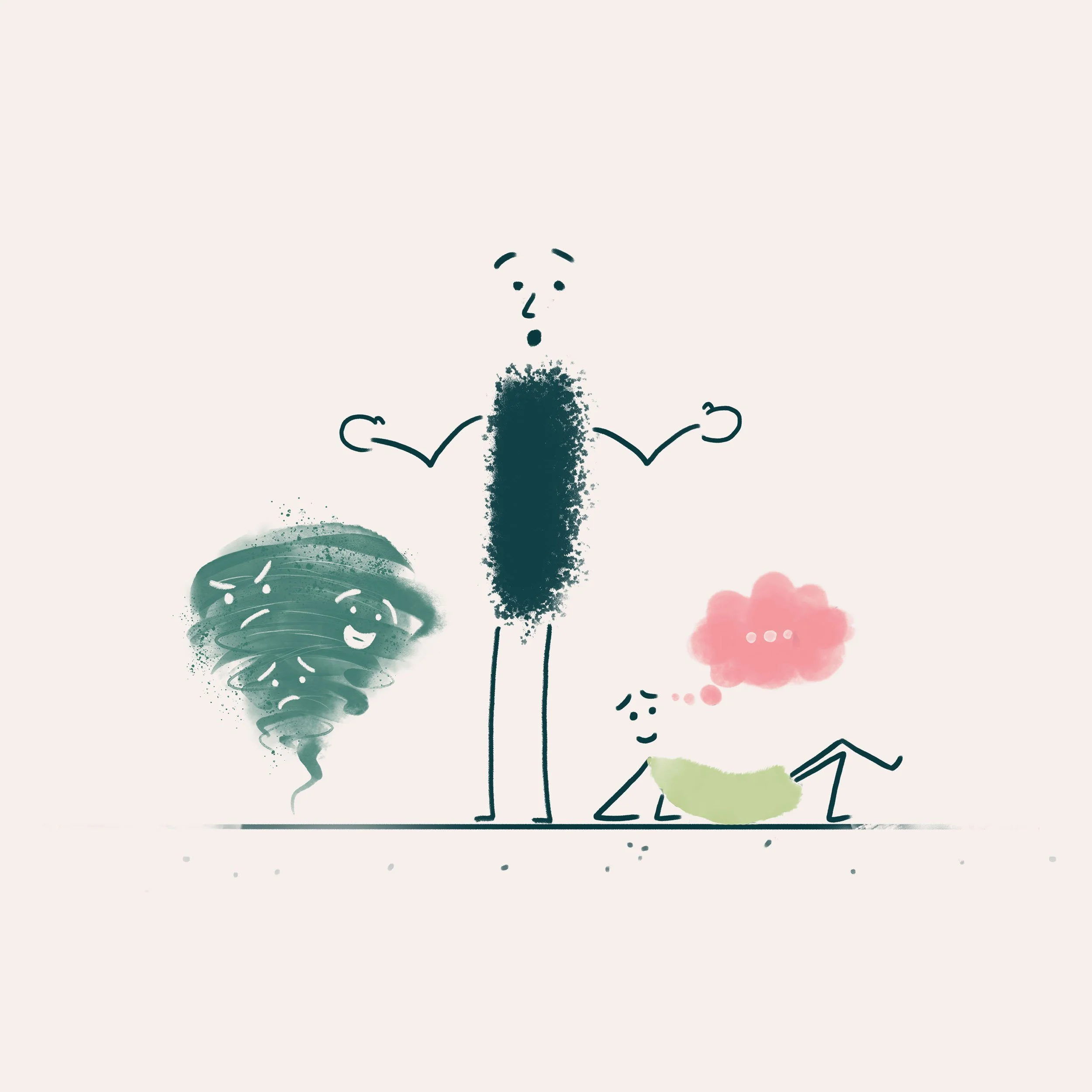
Parenting a child with ADHD often comes with intense highs and lows - you are not alone!
Coaching for parents offers a safe, non-judgmental space to slow down, understand what’s driving those moments, and build strategies that feel supportive rather than reactive. The focus is on helping you respond with more clarity and confidence, and creating a family life that feels calmer and more connected.
ADHD Coaching for Adults

ADHD coaching supports you in understanding your brain, increasing self-awareness, and making conscious choices about how you move forward.
Through a collaborative partnership, we explore what’s working, what isn’t, and how to design strategies that align with your needs - so action feels more intentional, supportive, and sustainable. The focus is on working with your brain, not pushing against it.
-
ADHD coaching is a supportive partnership. We explore how your unique brain works and use that insight to create a life that feels more aligned with what you want. Tips on social media can be helpful, but they don’t always fit you. Coaching is where we tailor strategies that work for you.
As your coach, I don’t give advice or tell you what to do. We work together to notice what’s working, what’s getting in the way, and how to design systems, habits, and perspectives that support your real life. You’ll learn to spot your patterns, build on strengths, and create tools that fit your brain—not someone else’s idea of how you ‘should’ do it.
Coaching is about progress, not perfection. It’s a space to pause, focus on what matters, and experiment with practical steps until we find what sticks.
Coaching is different from therapy. It doesn’t diagnose or treat mental health conditions, and it isn’t focused on analysing the past. Coaching is forward-focused: you bring your lived experience, creativity, and goals; I bring structure, curiosity, and accountability. Together, we turn awareness into action.
At its heart, ADHD coaching helps you live in harmony with your brain, so you can show up as your full, capable self in the parts of life that matter most.
-
No. A formal ADHD diagnosis is not required.
Many people come to coaching while they’re waiting for an assessment, exploring whether ADHD fits their experience, or choosing not to pursue a formal diagnosis at all. Coaching focuses on understanding what’s actually happening in day-to-day life and finding supportive ways forward - not on labels.
If you’re an adult without a diagnosis, coaching can help you:
understand how your brain works
notice patterns that support or challenge you
develop practical strategies that fit your life
For parents, ADHD coaching can be especially helpful while you’re waiting on paediatrician appointments or assessment pathways. Life doesn’t pause while you’re on a waitlist, and coaching can offer support, clarity, and guidance during that time.
We’ll always be mindful when a diagnosis hasn’t been made yet. Coaching meets you where you are now and works with your real experiences - while staying supportive, respectful, and aligned with any assessment process that may be underway.
-
That is completely up to you. I recommend at least five sessions to get the true benefits of ADHD Coaching but it is always up to you. Some people prefer five sessions to work on a specific area of their lives, while others find it beneficial to have ongoing sessions so that they have someone to brainstorm with as life changes. You are not locked in to a set amount of sessions. This is a pressure free zone intentionally.
-
Your coaching session will be online via zoom so you can join your session wherever you are at the time. You will receive reminders via SMS and email and some clients have customised reminders if needed.
-
ADHD coaching is forward-focused and practical.
It doesn’t diagnose or treat mental health conditions, and it isn’t focused on analysing the past. Instead, coaching helps you understand what’s happening now and how to move forward in ways that feel supportive and sustainable.In coaching, you bring your lived experience - whether that’s navigating your own ADHD or supporting a child with ADHD. I bring structure, curiosity, and partnership. Together, we build awareness, explore what’s working and what’s getting in the way, and create practical strategies that fit real life.
Coaching can sit alongside therapy or other supports, but it’s a different type of support. Many people choose coaching when they want help turning insight into action.
-
Coaching sessions are structured, supportive conversations focused on what matters most right now.
Each session is guided by your priorities - whether you’re navigating your own ADHD or supporting a child or family impacted by ADHD.Sessions offer space to pause, reflect, and make sense of what’s happening. Together, we notice patterns, build awareness, and explore practical ways forward. Some sessions feel more reflective; others are more practical - most are a blend of both.
Coaching is collaborative and flexible. There’s no set agenda you have to prepare for, and no expectation to “perform.” We work with what’s present and adjust as needs change over time.
-
ADHD coaching is both practical and supportive.
It’s a space to talk about what’s feeling hard, and to work out what might help.Some sessions focus on understanding emotions, patterns, or reactions - especially when things feel overwhelming or stuck. Other sessions are more practical, where we explore routines, systems, communication, or ways to respond differently in daily life. Most sessions include a mix of both.
The balance is guided by what you need in the moment. Coaching adapts as life changes, whether you’re working on your own challenges or supporting your family.
-
Yes. Feeling overwhelmed or stuck is often a reason people come to coaching.
ADHD coaching offers a supportive space to slow things down, make sense of what’s happening, and reduce the pressure to have everything figured out.Whether you’re feeling overloaded in your own life, or unsure how to support your child or family right now, coaching meets you where you are. We start with what feels most present and work at a pace that feels manageable.
You don’t need to be organised, motivated, or clear about your goals to begin. If you would like to move forward coaching is for you. We build clarity together, step by step even if they are tiny steps.
-
At this stage, my coaching work is primarily focused on adults & parents.
While I have a degree in early childhood education and was previously a kindergarten teacher my current coaching support for families is parent-focused.This means we work together to better understand your child, make sense of their ADHD, and develop supportive strategies at home - without requiring your child to attend sessions. Many families find that changes at the parent and family level can have a meaningful impact on their child’s experience.
I’m currently undertaking further specialised training in family and child ADHD coaching. As this training progresses, I’ll continue to review how and when direct coaching with younger children becomes part of my practice.
-
Yes. ADHD coaching can support many areas of daily life.
Coaching often helps with things like work or study demands, daily routines, organisation, decision-making, emotional regulation, and navigating relationships - at home or elsewhere.Rather than focusing on isolated “problems,” coaching looks at how different parts of life interact. We explore what’s creating friction, what supports you (or your family), and how to make changes that feel realistic and sustainable.
Whether your focus is personal, family-related, or practical, coaching adapts to what matters most to you right now.
-
Yes. ADHD coaching is confidential.
What you share in coaching sessions is respected and kept private.When working with parents or families, we’re clear about what information is shared and with whom. If coaching involves more than one person, we’ll talk together about boundaries and expectations so everyone feels safe and respected.
Confidentiality is an important part of creating a supportive, trusting space where open and honest conversations can happen.
As with most helping professions, confidentiality may be limited in rare circumstances where safety is a concern
-
That’s okay - finding the right fit matters.
Coaching works best when it feels supportive, respectful, and aligned with your needs. That’s why I offer a free consultation, so you can ask questions, get a sense of how I work, and decide whether coaching feels right for you or your family.There’s no obligation to continue if coaching doesn’t feel like the right support at any point. My priority is that you feel comfortable, informed, and supported - whether that’s with me or through another form of support.